
The Indian rupee is falling. Experts attribute the 4.6% decline in the rupee in 2025 is linked to delays in the US–India trade deal and concerns over potential US sanctions.
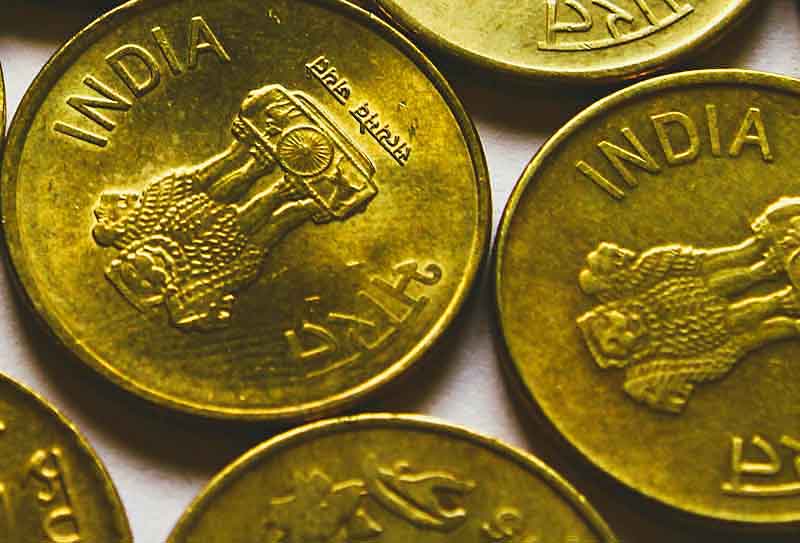
The INR recently touched a new record low of 89.61 per US dollar. So far this year, the rupee has depreciated by 4.6% against the dollar, surpassing the previous low of 88.80 per US dollar recorded in September, indicating persistent pressure on the currency. The Reserve Bank of India may need to take measures to manage rupee volatility.
Why Is the Rupee Falling?
Multiple global and domestic developments are the reasons behind the fall of the rupee. The United States imposed sanctions on Indian firms that are linked to the Iran oil trade, affecting market sentiments. On top of that, delays in the trade agreements between India and the US are affecting investors’ confidence and creating uncertainty around global markets, which is further affecting the value of the rupee. The condition of the dollar is also not very good, as reports suggest that confidence in US dollar is falling in global markets, which could affect its dominance. But the US dollar has strengthened as expectations of a Federal Reserve rate cut have weakened. At the same time, rising gold imports are widening the trade deficit, which is putting pressure on the rupee through increased demand for USD.
Economic Impact
Economic analysts suggest that pressure may continue in the short term, making the rupee one of Asia’s weakest-performing currencies in 2025. The rupee is near the 90 level against the dollar, and the dollar index could also rise toward 102–103 if the current downfall continues. But any improvement in trade talks between India and the US and global monetary conditions would be crucial for stabilization. A weaker rupee raises import costs for businesses, particularly for energy and commodity-linked sectors, which can push up inflation if the trend persists.