
Tariff Cuts on food items in the US on November 15, 2025. The US government under Trump lowers prices for coffee, beef, fruits and other items for shoppers. Americans could soon pay less and save money on grocery bills.
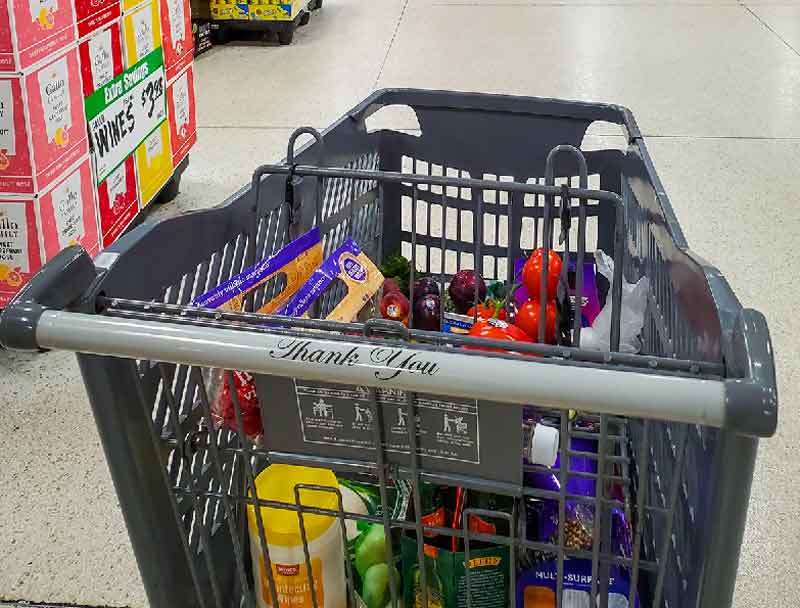
Everyday food items including beef, coffee, tropical fruits, tea, fruit juices, cocoa, spices, bananas, oranges, and tomatoes could soon become a bit more affordable as the White House reduced the tariffs on key grocery items. It is a step toward relief for American citizens who manage their household budget. The US lowers import tariffs on food items that are not widely produced domestically by the Americans but that they enjoy eating.
Why the White House Reduced Tariffs
The aim of the tariff was to protect the domestic production that would help American businesses and boost government revenue without hurting shoppers. But the reality on the ground level showed that many consumers were paying a bit more at the checkout.
Impact of US Food Tariff Reductions
Staples were costly but now by reducing import taxes on items with limited domestic production, consumers might feel a little easier when buying coffee, meat, beef, fruit juice, or essential food items. The new tariff cuts on food items could help ease inflationary pressures in the US and are expected to lower costs for household groceries and saving a few dollars on a daily basis will help families to build a proper budget for a month.
Tariff Reductions Could Help the Economy
No country wants to face trade barriers as they affect the consumers. The tariff cut also makes it easier for farmers and suppliers of other countries to trade and run a steady business partnership with the United States that will strengthen the supply chain. With fewer import costs, people associated with the food industry can plan better after this swift tariff relief by the government. While the long-term effects on the domestic production and government revenue will depend on further policy measures.