
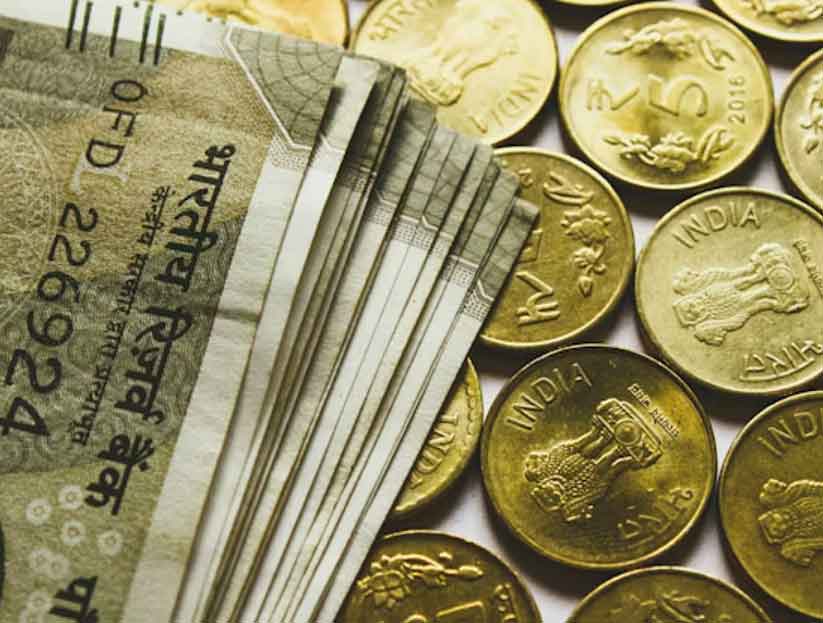
As India approaches Budget 2026, attention has turned to government borrowing and its role in shaping the fiscal deficit. Borrowing is a key instrument that allows the government to maintain public spending even when revenues are insufficient. The scale and timing of these borrowings directly affect the economy, influencing interest rates, fiscal space, and the government’s flexibility in planning future expenditure.
What Is Government Borrowing?
Government borrowing occurs when the Centre raises funds from domestic or international sources to meet its expenditure requirements. This is primarily done through the issuance of government securities (G-Secs) and Treasury Bills, which provide the government with capital to finance infrastructure, welfare programs, subsidies, and other essential services. Unlike tax revenue, these borrowings are recorded as capital receipts in the Union Budget and do not immediately impact the current revenue.
Understanding Fiscal Deficit
The fiscal deficit represents the gap between government expenditure and its revenues, excluding borrowings. When the fiscal deficit widens, it indicates that the government is relying heavily on borrowing to fund its obligations. An elevated fiscal deficit increases interest obligations, reducing the government’s capacity to allocate funds to development projects or social schemes. Moreover, it can signal macroeconomic stress, affecting investor confidence and credit ratings.
The Need for Borrowing
Borrowing becomes particularly important during periods of revenue shortfall or economic slowdown. Even when tax and non-tax revenues perform well, large infrastructure projects or subsidy programs often demand funds that exceed available resources. Borrowing ensures continuity in public services and enables the government to meet its policy objectives without abrupt disruptions to expenditure plans. It also provides flexibility to respond to economic challenges, including inflationary pressures or global financial shocks.
Borrowing Schedule and Management
India follows a structured borrowing calendar, coordinated by the Department of Expenditure under the Ministry of Finance in partnership with the Reserve Bank of India. The Central Government’s borrowing is generally executed in two phases annually, with weekly auctions conducted over several months. Securities issued vary in tenure, from short-term Treasury Bills to long-term G-Secs extending up to 40 years. State governments also follow their own quarterly borrowing schedules, complementing the central plan. This structured approach ensures predictable funding while minimizing disruptions in financial markets.
Economic Implications of Higher Borrowing
While borrowing provides immediate fiscal relief, excessive borrowing can have long-term implications. Higher borrowings increase interest payments, which can reduce the government’s fiscal space and limit flexibility in future budgets. It may also contribute to inflationary pressures if additional liquidity enters the economy. Therefore, careful planning and adherence to borrowing targets are essential to maintain fiscal stability and ensure sustainable growth.
Government Borrowing Ahead of Budget 2026
In the lead-up to Budget 2026, the government has sought Parliament’s approval for additional expenditure of ₹41,455 crore for the current fiscal year. This includes funding for fertilizer subsidies and petroleum under-recoveries, reflecting the government’s efforts to maintain essential services while managing fiscal discipline. The supplementary expenditure, matched by savings across various ministries, indicates a careful balancing of borrowing requirements and fiscal targets.
Conclusion
Government borrowing is a crucial tool in managing public finances and sustaining economic activity. While it allows the continuation of vital programs and infrastructure projects, it must be carefully balanced to avoid excessive debt accumulation. As India prepares for Budget 2026, the focus on borrowing and its impact on the fiscal deficit will be central to understanding the government’s fiscal strategy and economic priorities in the coming year.