
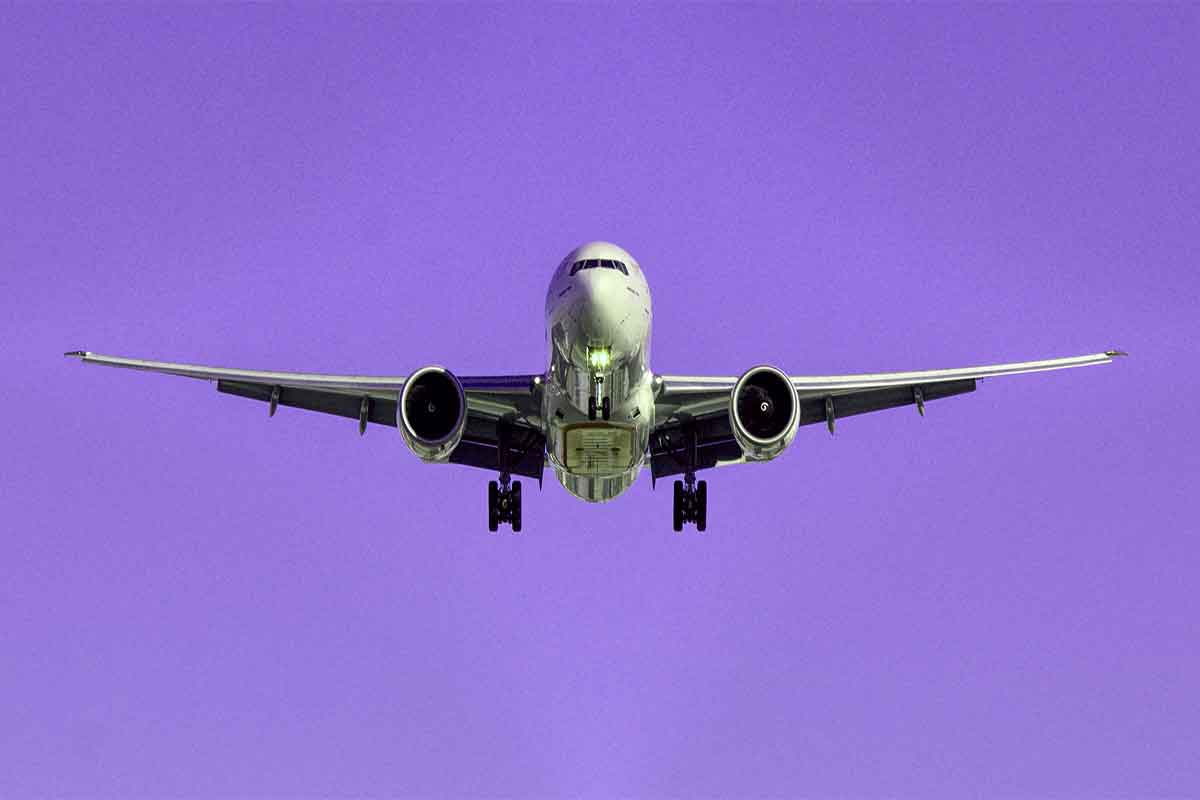
It’s been over 40 days since the U.S. government shutdown began and it has triggered widespread disruptions in everyday traveling, especially in the aviation sector and the condition will worsen if the shutdown continues. If you are also planning to fly to US, you might not get a boarding pass because many international flights have been affected and the shutdown has led to cancellation and delays of thousands of flights in the United States. Understanding the causes behind these flight cancellations helps travelers plan better and avoid unnecessary stress.
1. Air Traffic Controller Shortages
The Federal Aviation Administration (FAA) is the agency that regulates and oversees all aspects of civil aviation and relies heavily on air traffic controllers to manage safe aircraft operations. During the US shutdown 2025, many controllers are working without pay and there is a high shortage of staff in airport due to which the FAA has to limit the number of flights at major US airports, resulting in worldwide cancellations and delays.
2. Federal Aviation Administration (FAA) Restrictions
Safety is a big concern on airports. To maintain safety with limited staff, the FAA instructed airlines to reduce daily flight schedules by a certain percentage. Flights were reduced by 4%, then increased to around 6% to 10 % at 40 airports. These reductions by the FAA led to airlines canceling hundred of flights daily.
3. Airlines Schedules & TSA Staffing Challenges
Airlines are busy, and preemptively cancel flights to avoid scheduling chaos at airports and ensure safety of travelers. Flight operations are also affected by Transportation Security Administration (TSA) staff shortages. Some carriers reduce flights on heavily staffed airports while keeping operations at less busy airports. Airlines like United and Delta have implemented short-term schedule reductions until staffing improves to normal. TSA officers are working without pay during the shutdown that also causing slowing passenger screening. Plus, delays at security checkpoints also a big cause of missed flights.
4. Delays Departure and Arrivals in Network
Even if a particular airport has enough staff, cancellations of flights on a single airport affects other airports also, creating a cascade across the network. The entire network feels the effects, impacting connecting flights nationwide. Travelers like you and I often experience delays departures and arrivals, missed connections, and even sudden gate changes or rebookings.
5. Economic and Safety Factor
The US shutdown also forces airlines to weigh financial and safety priorities before anything else. It is not easy to operate an airport with less staff, it can be highly unsafe and legally risky. Canceling flights prevents overburdening employees and ensures compliance with aviation regulations to keep the current condition under safe radar.
Tips to Check Flights and Travel During the US Shutdown
- Passengers can reduce the impact of any sudden cancellations by checking flight status frequently through airline websites and apps.
- You can also book refundable or flexible tickets that allow changes without heavy penalties during these uncertain periods.
- If there is no hurry, consider alternative airport if your desired hub is affected by the shutdown in the United States. Flight cancellations during the US government shutdown are primarily due to air traffic controller shortages, TSA staffing challenges, and FAA-imposed operational limits.
- Monitoring government updates on FAA and TSA staffing is the only option that can help you book flight and travel to the United States safely during the shutdown.
- Plan properly before booking a flight, decide where you want to stay and allow extra time between connecting flights in case of delays, and always keep a backup travel options. Airlines proactively cancel flights to ensure passenger safety and maintain operational efficiency. Travelers need to stay informed and plan for flexibility until government operations resume fully.