
India has lifted the suspension on travel visas for Chinese travellers. Flight connectivity between both countries has now resumed, allowing smoother travel.
After five years of restrictions imposed after the 2020 Galwan clash., India has officially reopened tourist visas for Chinese citizens. The decision marks a notable shift in bilateral policy and carries potential economic benefits, particularly in the travel, aviation, and hospitality sectors.
This move aligns with efforts to gradually normalize economic and diplomatic channels between Asia’s two largest economies. Restoring tourism flows is often a precursor to broader trade and investment dialogue. Reopening visas could support bilateral trade and tourism, especially when Indian exporters are already gaining from recent tariff cuts by the United States. India’s trade strategy is also shifting, as seen in its energy relations with Russia. China may become another key pillar in regional economic cooperation.
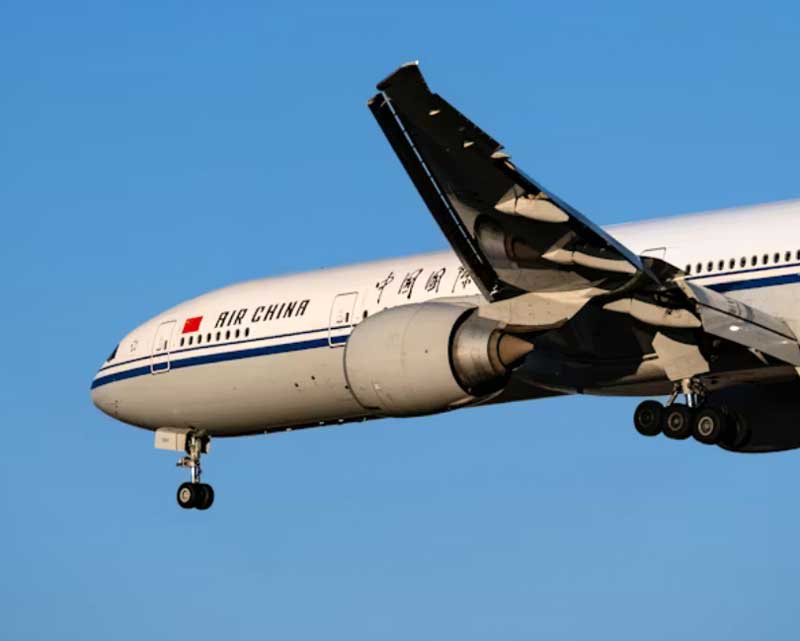
This development aligns with a broader sequence of steps taken throughout 2025. In January, India and China agreed to restore direct passenger flights, which had also been suspended for five years. In July, an official directive suggested resuming tourist visas for Chinese nationals. On November 10, the first commercial passengers flew from New Delhi to Shanghai. This restoration of connectivity may help revive confidence in sectors affected by reduced cross-border movement since 2020.
From an economic standpoint, tourism often acts as a preliminary channel for rebuilding trust and re-establishing trade dialogue. As direct flights resume and visas are reinstated, sectors such as airlines, hotels, travel operators and local businesses may benefit from rising mobility. Travel trends may also depend on exchange rates. With the rupee falling against the US dollar, flight and hotel costs could change for both Indian and Chinese travellers. Historically, increased tourist flow can precede business travel, investment discussions and broader trade interaction. If diplomatic stability continues, the reopening of tourist visas could gradually contribute to the revival of economic linkages between Asia’s two largest economies.