
Rising geopolitical tensions, particularly in West Asia, are reshaping global trade dynamics. A U.S.–Iran war disrupts global trade by blocking key oil routes, raising prices, and forcing ships to take longer paths, causing delays. Political factors are increasingly influencing trade flows, replacing traditional economic drivers.
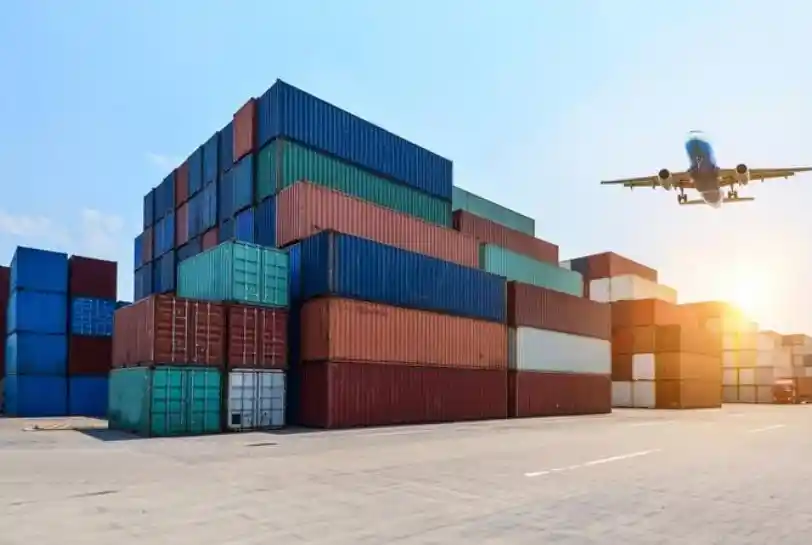
Key maritime routes such as the Strait of Hormuz and the Red Sea have become high-risk zones. Disruptions in these corridors have led to supply chain delays, higher freight costs, and reduced reliability in shipments. Since nearly 80% of global trade is transported by sea, these disruptions have widespread consequences.
Freight rates on major routes have increased significantly, while shipment delays have become common, affecting business operations and cash flow cycles. The evolving risk environment now includes political instability, sanctions, currency restrictions, and conflict-related threats. Traditional insurance models are no longer sufficient to address these challenges.
Recent data highlights the scale of disruption. Freight costs on key routes have surged by 40–80%, with additional war-risk surcharges reaching $2,000–$4,000 per container. Delivery times have extended by up to 2–3 weeks, and in some cases, export volumes have dropped by nearly 50%. Around 25% of global seaborne oil and 20% of LNG trade pass through the Strait of Hormuz, making it a critical chokepoint. For India, West Asia accounts for about 14% of exports and over 20% of imports, increasing vulnerability to regional instability.
Political Risk Insurance (PRI) is gaining importance as a key tool for managing uncertainty. It provides protection against non-commercial risks such as political violence and government actions, enabling businesses to continue cross-border operations.
Companies are increasingly treating PRI as essential rather than optional. Specialized covers like war risk and hull insurance are also becoming critical due to rising threats such as missile attacks and drone strikes on trade routes.
For countries like India, with strong trade and energy links to West Asia, managing geopolitical risk has become strategically important. Businesses operating in such regions must adopt structured risk mitigation strategies to ensure continuity.As geopolitical instability persists, demand for advanced risk protection solutions is expected to grow, fundamentally changing how global trade is conducted and secured.